Why Google’s New Review Crackdown Could Reshape Local SEO Rankings
June 12, 2026
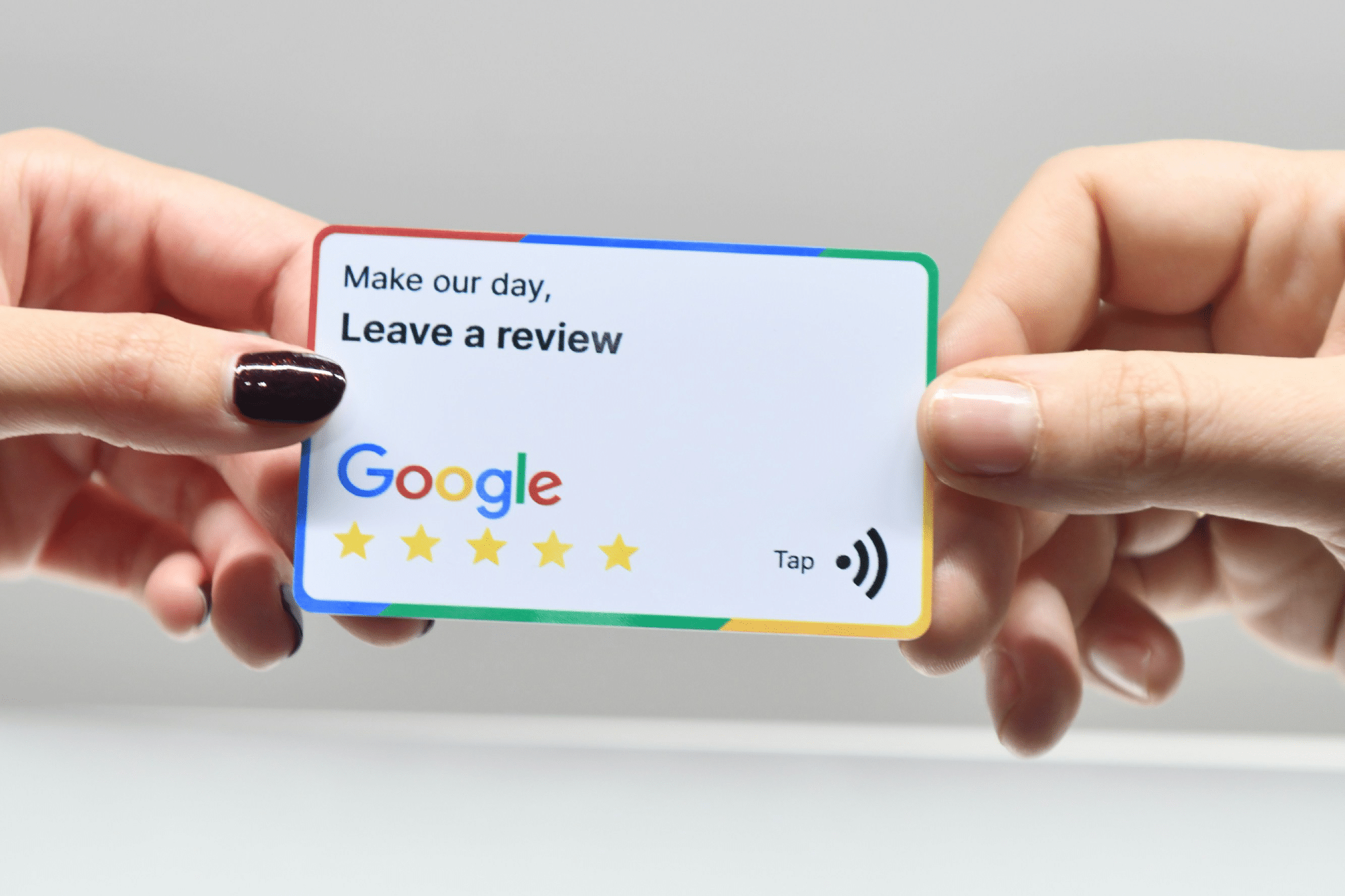
Google’s updated review guidelines are changing how businesses collect and manage reviews online. The shift goes far beyond fake reviews—it directly affects local SEO visibility, Google Business Profile performance, customer trust, and even how businesses appear in AI-driven search experiences.
Businesses relying on outdated review tactics may soon face visibility and reputation challenges they did not expect.
Online reviews have quietly become one of the most influential parts of local search.
They affect:
- Where businesses appear in Google Maps
- How often customers click
- Whether people trust a company
- How businesses compete locally
- How search systems interpret reputation and authority
For years, many businesses treated reviews like a numbers game:
- Get more 5-star reviews.
- Get them faster.
- Ask happy customers only.
- Automate everything possible.
That approach is becoming much riskier.
Google’s updated review guidance places stronger focus on authentic customer feedback, review transparency, and trustworthy reputation signals. Practices that once felt like normal marketing tactics may now create visibility concerns, review instability, or trust issues if they no longer align with Google’s published guidance.
This is not just a moderation update.
It reflects a larger shift in how Google evaluates trust.
And because reviews influence both rankings and conversions, this update has the potential to reshape local SEO strategies for businesses in nearly every industry.
What Is Google’s Review Policy Update?
Google’s updated review guidelines focus on making sure reviews reflect genuine customer experiences. The policies place greater restrictions on incentivized reviews, selective review solicitation, fake engagement, review manipulation, and practices that may artificially influence ratings or public perception.
The updated guidance specifically addresses issues such as:
- Offering discounts or rewards in exchange for reviews
- Discouraging negative reviews
- Selectively asking only satisfied customers for feedback
- Pressuring customers to leave reviews on-site
- Requesting reviews with specific wording, including particular staff mentions
- Posting content that does not reflect a genuine experience
At the same time, Google still allows businesses to encourage honest reviews from real customers—as long as businesses are not attempting to manipulate ratings or influence the content of the review itself.
That distinction matters.
Many businesses now find themselves somewhere between “review marketing” and practices that may no longer align with Google’s current review guidance.
What You’ll Learn
In this article, you’ll learn:
- Why reviews became one of Google’s most important local ranking signals
- What Google is trying to stop with these updated guidelines
- How reputation signals affect local visibility and customer trust
- Why authentic customer experiences matter even more in AI-driven search
- What businesses should change moving forward to protect rankings and visibility
Why Reviews Became One of Google’s Most Important Local Ranking Signals
Google’s goal has always been simple:
Deliver the most trustworthy and useful results possible.
Reviews help Google understand:
- Whether a business is active
- Whether customers trust it
- Whether people engage with it consistently
- Whether experiences appear positive or negative over time
That makes reviews incredibly valuable to local search.
When someone searches for:
- “Best dentist near me”
- “Top roofing company”
- “Coffee shop nearby”
- “Personal injury attorney”
Google is not only looking at websites anymore.
It is also evaluating:
- Review quality
- Review frequency
- Review sentiment
- Engagement activity
- Profile completeness
- Customer trust indicators
This directly affects Google Business Profile visibility.
A business with strong, authentic reviews often:
- Receives more clicks
- Earns more phone calls
- Generates more direction requests
- Increases conversion rates
- Creates stronger consumer trust
That trust can influence local visibility.
And that is exactly why Google cares so much about review authenticity.
If review patterns begin appearing overly manipulated, heavily curated, or incentive-driven, Google may place less trust in those signals over time.
At its core, Google’s updated review guidance is really about trust. Google wants reviews to reflect genuine customer feedback people can trust.
The Real Problem Google Is Trying to Solve
Most businesses hear “review crackdown” and immediately think:
“Google is trying to stop fake reviews.”
That is part of it—but the bigger issue is broader.
Google is trying to reduce reputation manipulation.
There is a major difference.
Over time, entire industries formed around aggressively shaping online reputation through tactics like:
- Incentivized reviews
- Review gating
- Bulk review campaigns
- Scripted customer responses
- Selective outreach
- Artificial engagement strategies
Some businesses also adopted review workflows that focused too heavily on highlighting positive customer experiences while redirecting negative feedback into private resolution channels.
The problem is that these tactics can distort reality.
A business with hundreds of carefully curated reviews may appear more trustworthy online than a business with fewer—but more authentic—customer experiences.
When that happens, it can create a poor experience for users searching on Google.
It also weakens the reliability of Google’s ranking systems.
This is why Google’s updated guidance specifically addresses practices like:
- Offering discounts in exchange for reviews
- Discouraging negative feedback
- Requesting specific review wording
- Pressuring customers to leave reviews on-site
- Encouraging reviews that do not reflect genuine experiences
The larger goal is not simply “punishment.”
The larger goal is improving trust accuracy.
Because trust is becoming one of the most important signals in modern search.
Why This Update Could Affect Local SEO More Than Many Businesses Realize
Many businesses still think reviews primarily affect reputation.
In reality, reviews affect visibility.
That distinction is important.
If Google begins viewing certain review patterns as less authentic or less trustworthy, those signals may become less valuable for long-term visibility.
That can create ranking instability over time—especially as Google continues tightening its focus on authentic customer experiences.
For some businesses, even small visibility changes can have major financial consequences.
A local business that drops from the top 3 Google Maps positions to lower visibility may experience:
- Fewer calls
- Fewer leads
- Lower website traffic
- Reduced foot traffic
- Inconsistent revenue
This is especially important in highly competitive industries like:
- Legal
- Medical
- Home services
- Hospitality
- Automotive
- Real estate
Many businesses in these industries prioritized review growth strategies centered heavily around review volume.
But volume alone is no longer enough.
Google appears increasingly focused on review authenticity, consistency, and credibility.
That means businesses relying too heavily on:
- Aggressive review solicitation
- Overly selective feedback collection
- Artificial reputation growth tactics
- Manipulated engagement patterns
...may experience more unpredictable local search visibility over time.
The businesses most likely to benefit long term are the ones building genuine trust—not simply inflated ratings.
Concerned About How Your Current Review Strategy May Affect Visibility?
A Google Business Profile and review visibility audit can help identify:
- Review strategy gaps
- Google Business Profile optimization opportunities
- Visibility risks
- Reputation management concerns tied to evolving Google guidelines
Connect with one of our experts today at (800) 764-8528 or click here to schedule your free consultation now.
Why Authentic Reviews Matter Even More in AI-Driven Search
This update becomes even more significant when you consider where search is heading next.
Google is rapidly expanding AI-generated search experiences, including AI Overviews and conversational search interactions.
That does not mean businesses suddenly need a completely separate “AI SEO strategy.”
In fact, Google’s newest guidance makes it clear that many traditional SEO best practices still matter in AI-driven search.
What is changing is the importance of trust.
Search systems increasingly rely on:
- Reputation indicators
- Sentiment analysis
- Consistency
- Authority indicators
- Real-world customer experiences
That changes the role reviews play online.
Reviews are no longer just public testimonials.
They are becoming signals that help search systems better understand:
- Which businesses appear trustworthy
- Which companies deserve visibility
- Which brands are consistently referenced positively across the web
This is where manipulated reviews become especially risky.
Artificial patterns may temporarily improve ratings, but if Google begins viewing those patterns as less authentic, the signals may become less valuable over time.
Authentic customer experiences tend to create more natural and trustworthy patterns than heavily managed reputation campaigns.
Businesses that focus on:
- Genuine customer satisfaction
- Consistent service quality
- Ethical review generation
- Authentic engagement
- Strong topical authority
…are likely building stronger long-term visibility signals across both traditional search and emerging AI-powered search environments.
This is one reason reputation management is becoming increasingly important for visibility across both traditional and AI-driven search experiences.
Google’s newest AI guidance reinforces that strong visibility still depends heavily on trustworthy content, semantic relevance, authentic expertise, and real-world customer credibility signals.
In other words:
Trust is increasingly influencing online discoverability.
Reputation Management Is No Longer Separate from Search Optimization
For years, businesses often treated reviews as a customer service issue.
That mindset no longer reflects how modern search works.
Today, reviews influence:
- Search rankings
- Conversions
- Click-through rates
- Customer trust
- Brand perception
- Visibility across AI-generated search experiences
In other words:
Reputation management now directly affects search performance.
A business may have:
- A beautiful website
- Strong SEO
- Good advertising
- Active social media
…but if customer trust signals appear weak or inconsistent, visibility can still suffer.
This is why modern SEO strategies are evolving.
Optimization is no longer just about:
- Keywords
- Backlinks
- Technical SEO
It also involves:
- Google Business Profile optimization
- Review management
- Customer experience signals
- Engagement consistency
- Semantic relevance
- Topical authority
- Reputation visibility
Google’s newest AI guidance reinforces this idea.
Search visibility increasingly depends on strong site architecture, topical depth, authentic expertise, and trustworthy customer signals—not gimmicks or shortcuts.
Expert Perspective
“Search visibility is increasingly tied to trust signals. Businesses focused on authentic customer experiences—not manipulated reputation tactics—are likely building more stable long-term visibility as search engines and AI systems continue evolving.”
—Chris Sullivan
Director of SEO & SEM
The Art of Online Marketing
What Businesses Should Do Next
The good news is that businesses do not need to panic.
Google still allows businesses to encourage honest reviews from real customers.
The key difference is how those requests are handled.
Moving forward, businesses should focus on:
- Requesting authentic feedback
- Avoiding incentives or rewards
- Reviewing automated workflows periodically
- Training staff carefully
- Simplifying ethical review collection
- Improving customer experiences themselves
This is also a good time to evaluate current review workflows.
Many businesses adopted review strategies and automated workflows years ago without revisiting whether those systems still align with Google’s evolving guidelines and best practices.
As review platforms continue changing, businesses should periodically review how their reputation management software, automation settings, and customer feedback processes are configured.
Even small adjustments can help create:
- Stronger trust signals
- More stable rankings
- Healthier reputation growth
- Better long-term visibility
The businesses most likely to perform well moving forward are not necessarily the ones with the highest review volume.
They are the businesses creating the most trustworthy reputation signals over time.
Google Business Profile & Review Visibility Audit
If your business relies on reviews for local visibility, customer trust, or lead generation, now is a good time to evaluate how your current review strategy aligns with evolving Google guidelines and reputation management best practices.
A visibility audit can help identify:
- Google Business Profile optimization opportunities
- Reputation visibility concerns
- Review strategy gaps
- Local search improvement opportunities
Schedule your own audit at (800) 764-8528 or click here to schedule your free consultation.
Want help adapting your review strategy to these changes? Our Local SEO team can help you stay ahead of it.
Frequently Asked Questions
Can businesses still ask customers for Google reviews?+
Yes. Google still allows businesses to request honest reviews from real customers, as long as businesses are not offering incentives or attempting to influence the rating or content of the review.
Do reviews affect local SEO rankings?+
Reviews can influence local visibility, customer engagement, click-through rates, and trust signals connected to Google Business Profile performance.
What is review gating?+
Review gating is the practice of filtering customers before requesting public reviews, often directing satisfied customers toward review platforms while routing unhappy customers elsewhere.
Is reputation management software still safe to use?+
Yes. Reputation management software remains valuable for collecting authentic customer feedback, monitoring online reputation, managing review responses, and improving customer communication. Businesses should make sure their workflows and automation settings continue aligning with evolving platform guidelines and best practices.
Can Google remove reviews?+
Yes. Google may remove reviews that appear to violate published guidelines, including fake engagement, incentivized reviews, or content that does not reflect a genuine customer experience.
Why do authentic reviews matter more in AI-driven search?+
Google’s AI-powered search features still rely heavily on foundational credibility, authority, and customer trust indicators when determining which businesses appear trustworthy and visible online.
Should businesses stop asking for reviews altogether?+
No. Businesses can still encourage customers to leave honest feedback. The focus should be on authentic experiences rather than attempting to influence ratings or selectively request positive reviews.